 how-to
How to Ask a Coach for Feedback After Being Rejected
Last Updated: October 28, 2026
Quick Summary
Learning how to ask a coach for feedback after being rejected means sending one short, gracious note that thanks them, accepts the decision cleanly, and asks for a single piece of advice about what to improve. Wait a few days so you can write calmly, keep the message brief, and give the coach an easy out if they're too busy to reply.
- Wait a few days after the rejection before sending your feedback request so you can write calmly.
- Structure your email in four parts: thank them, accept the decision, ask for feedback, and close warmly.
- Never attach new film or turn the feedback request into a second sales pitch.
- Ask specific questions about skills, decision criteria, or preparation habits instead of requesting a general evaluation.
- If you get no reply, send one follow-up at most and then move on.
Table of Contents
- Why Asking a Coach for Feedback After Rejection Is Worth It
- How to Ask a Coach Why You Were Rejected
- How Long to Wait Before Following Up With a College Coach
- Writing an Email to a College Coach After Rejection
- College Recruiting Follow-Up Email Examples You Can Copy
- How to Ask for Specific, Actionable Feedback That Helps
- Handling Difficult or Unhelpful Feedback With Grace
- Turn Coach Feedback Into Your Next Recruiting Move
- Frequently Asked Questions
Why Asking a Coach for Feedback After Rejection Is Worth It
Learning how to ask a coach for feedback after being rejected starts with understanding why it matters so much. When a college coach passes on you, the rejection email can give you little to work with, and the silence can be difficult. A short, respectful request for feedback can give you information you can use.
The reality is that most rejection messages are written to close a door politely, not to explain the decision. That leaves you guessing about whether your film was too short, your grades came in late, or the roster simply had no room at your position. Asking directly is how you replace guesses with facts.
A coach's decision may not be the end of the conversation. You can ask for feedback, while recognizing that the coach may not respond or provide details.
How to Ask a Coach Why You Were Rejected
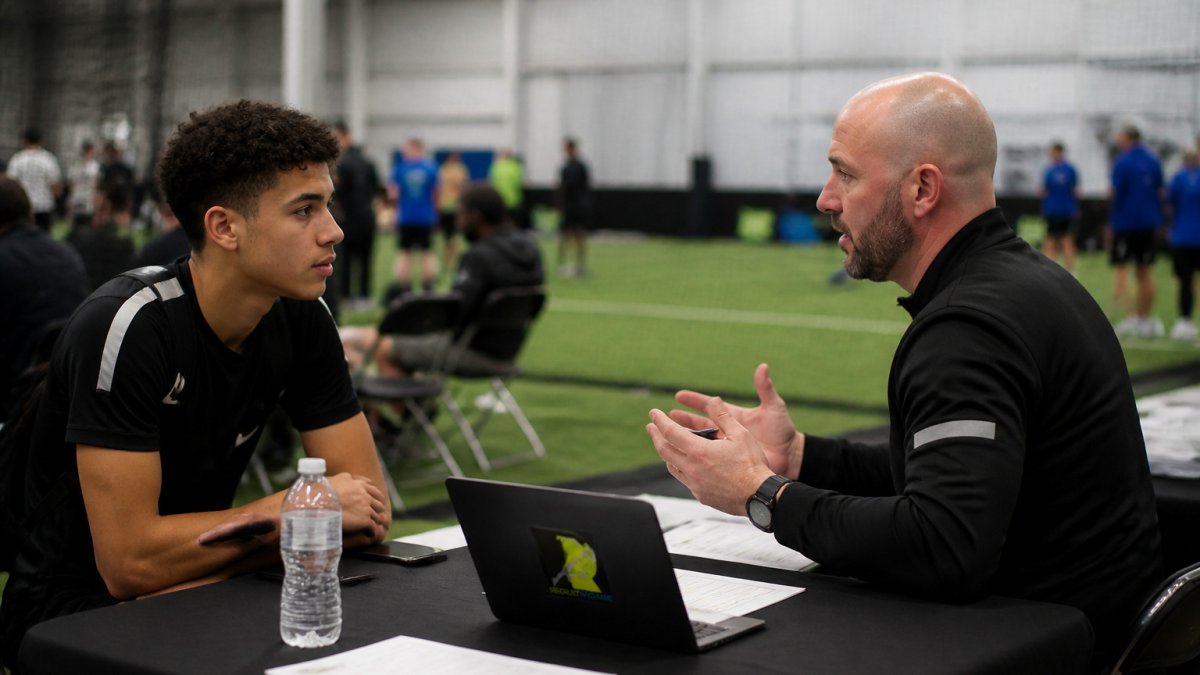
Asking a coach why you were rejected is a different conversation than asking an employer after a job interview, because the relationship usually has more history and the stakes feel personal. Whether you're dealing with a high school team tryout, a private skills coach who cut you from a training group, or a college recruiter who passed on your film, the core approach is the same: you want to make it easy for the coach to give you one or two honest specifics without feeling like they owe you a full explanation.
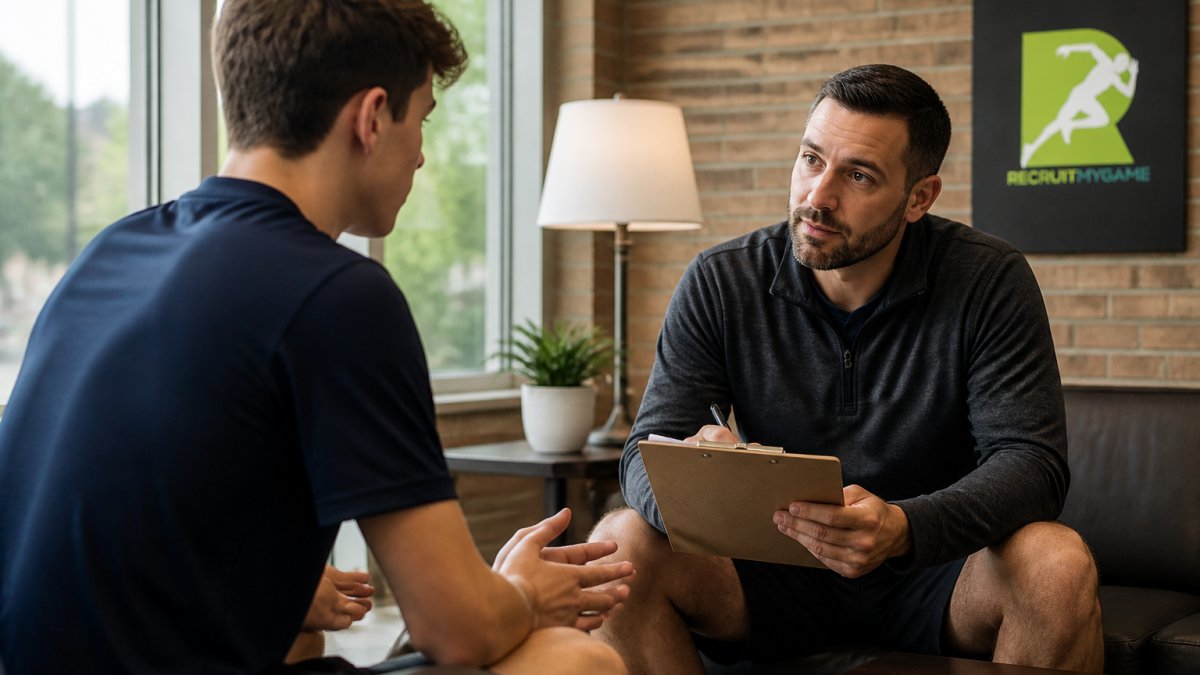
Start by naming the relationship in your request, because that context changes everything. If a coach has been working with you weekly, you can be warmer and more direct, something like, "I know you see my game better than almost anyone, and I'd really value your honest take on what held me back." If it's a college coach who only saw your highlight reel and a few emails, keep it more formal and brief.
A few principles can help you make a respectful request:
- Ask once, not repeatedly. One polite request respects the coach's time.
- Make it about your growth, not their decision. "What could I improve?" keeps the focus on your growth rather than the coach's decision.
- Give them an easy out. Say you understand if they're too busy to respond, and mean it, coaches juggle rosters, schedules, and their own families.
- Keep it to a few sentences. Keep your message brief.
- Reference something specific they saw. Mention a particular game, tryout session, or film clip to give context for your request.
If you're still processing the rejection itself, our guide on how to handle college coach rejection emails walks through the emotional and practical side before you send anything. If the coach is someone you'll see again, like a club coach or a position trainer, you can consider asking in person at the next session rather than sending an email.
How Long to Wait Before Following Up With a College Coach
Consider waiting a few days before following up with a college coach after a rejection. You may want to take time to consider what you want to ask before sending a feedback request. Taking some time before writing may help you consider what you want to say.
Timing can matter. Consider giving the coach some time before reaching out with a clear, gracious note.
If you're still angry about the rejection, consider waiting until you feel ready to write a calm, respectful email.
Writing an Email to a College Coach After Rejection
An email to a college coach after rejection can be short, gracious, and specific about what you're asking for. You can thank the coach, acknowledge the decision without arguing, and request feedback you can use in future applications.

Structure it in four quick parts:
- Thank them for their time and for considering you.
- Accept the decision cleanly, with no pushback.
- Ask for feedback in one clear sentence.
- Close warmly and wish them and their program well.
If you want a model for professional recruiting correspondence, our guide on how to write a college recruiting cover letter gives you a template you can adapt to this situation. You can use a respectful, organized tone for both.
Watch out: never attach new film to a feedback request or turn the email into a second sales pitch. You can keep the request focused on feedback rather than adding new film or another pitch.
College Recruiting Follow-Up Email Examples You Can Copy
Here are two college recruiting follow-up email templates you can adapt. Fill in the brackets and keep the tone warm and brief.
Template 1: The direct feedback request
Subject: Thank you, and a quick question
Coach [Last Name],
Thank you for letting me know about your decision, and for the time you spent reviewing my film. I respect it completely. I'm working hard to improve, and I'd be grateful for one piece of advice: what's the biggest thing I could work on to be a stronger recruit? I understand if you're too busy to reply. Either way, thank you, and best of luck this season.
[Your Name] [Position] | [Graduation Year] | [Phone]
Template 2: The relationship-first note
Subject: Grateful for your time
Coach [Last Name],
Thanks for the honest update. Your program is one I really respect, so I wanted to say thank you for considering me. If you have a minute, I'd love to know what stood out as a gap in my game or my academics. I'll use it. Wishing you and your team a great season.
[Your Name]
These templates are written for email. You can adapt the wording for another channel, keeping the request brief and respectful.
How to Ask for Specific, Actionable Feedback That Helps
You can ask specific questions to make clear what kind of feedback you are seeking. You could ask, "What's the one area where I fell short?" You can frame your questions around observable skills, decision criteria, and preparation habits instead of asking for a general evaluation.
You could ask questions like these:
- On skills: "When you watched my film, was there a specific skill or position technique that stood out as not ready for your level?"
- On decision criteria: "What was the biggest factor in your decision, was it my film, my grades, or the roster situation at my position?"
- On preparation: "Is there anything about how I reached out or prepared for our conversations that I could improve?"
- On next steps: "If I wanted to be a stronger candidate in a year, what should I focus on improving over the next season?"
- On fit: "Was there a gap between what your program needed and what I offered, and if so, what would have closed that gap?"
If you get a one-word answer, you could ask a gentle follow-up, such as, "That's helpful, was there a particular game or clip where that showed up?" Our list of questions to ask college coaches during recruiting visits offers additional questions to consider. You can bring the same curiosity to conversations with coaches who are recruiting you.
Once you have an answer, you can consider what concrete action to take next. If a coach says your film was too short, ask yourself what "too short" means in minutes and how many full games you need to film. If they mention your grades, write down the specific courses or test scores they flagged. The goal is to leave the conversation with one or two changes you can start on this week, not a vague sense that you need to "get better."
Handling Difficult or Unhelpful Feedback With Grace
A coach may not reply, or the response may be brief or difficult to hear. A coach's response does not define your worth as an athlete.
Here's how to handle the hard cases:
- No reply: Let it go after one follow-up at most. If you do not receive a reply, you can choose to move on rather than continue following up.
- A blunt answer: Thank them anyway. Blunt feedback can be uncomfortable; consider whether it offers anything you can use.
- A generic answer: Ask one gentle follow-up to narrow it down, then move on if it stays vague.
- Feedback that feels unfair: Sit with it for a day before you decide how to feel. Sometimes the coach saw something you didn't.
You can respond to a rejection respectfully and continue focusing on your recruiting goals.
Turn Coach Feedback Into Your Next Recruiting Move
You can consider turning feedback into a concrete next step. If a coach comments on your film or grades, consider what steps you can take in response. If they say your position is full, you can look into programs with roster needs at your position.
A data-driven approach can help you consider information beyond guesswork. RecruitMyGame's AI-powered college matching analyzes roster needs, graduation timelines, and coaching staff stability to identify programs with a need for your position. RecruitMyGame offers verified coach reviews, recruiting analytics, and QR business cards for athletes. Refining your professional trajectory often requires the objective perspective provided by career coaching services to ensure your long-term athletic and academic goals remain aligned.
Here's a simple way to organize the follow-through:
| Feedback You Got | What It Means | Your Next Move |
|---|---|---|
| Film too short or unclear | Coaches couldn't evaluate you | Film full-game footage and post a fresh highlight reel |
| Academics flagged | Grades or scores are a barrier | Build a plan with your school counselor |
| Position already full | Roster need, not your talent | Target programs with graduating players at your spot |
| No response at all | Coach is busy or moved on | Send one follow-up, then refocus your list |
Our modern recruiting playbook for athletes and families covers building a profile, targeting programs, and reaching out with evidence.
Frequently Asked Questions
Is it okay to ask a coach why they rejected me?
Yes, you can ask politely and keep it brief. A short, respectful request can ask whether the coach is willing to share an area where you could improve. If they do not respond, you can move on to other programs. The goal is to learn, not to debate their decision.
What if a coach does not respond to my request for feedback?
A coach may not respond, and you may not know why. You can send one gentle follow-up and then stop. Use the time to review your film, update your profile, and consider programs with a need for your position.
How do I use a coach's feedback to improve my recruiting chances?
Write the feedback down and group it into themes like skills, academics, or film quality. Consider which items you can act on, such as improving your highlight reel or working on academics, and track your progress. You can then update your recruiting profile and mention relevant changes in your next outreach to coaches.
Should I ask a coach for feedback if I was rejected by email?
Yes, you can reply to a rejection email to ask for feedback. Keep your response short: thank the coach, say you respect the decision, and ask if they can share an area for improvement. Do not argue or ask them to reconsider.
Rejection stings, but it also hands you the exact information you need to get better, and the athletes who ask for feedback and act on it are the ones who find the right fit in the end. RecruitMyGame helps you turn that feedback into a real plan with AI-powered college matching built on roster needs, verified coach reviews you can trust, and recruiting analytics that show what's actually working. Get started with RecruitMyGame and turn every "no" into your next move.