 how-to
7 Ways to Track College Coach Turnover
Last Updated: October 25, 2026
Quick Summary
Track college coach turnover by researching coach tenure on university athletic department websites, monitoring coaching news through local sports media and press releases, and using AI-powered platforms like RecruitMyGame that automatically alert you when coaching staff changes happen at your target programs. Understanding coaching stability helps you adjust your recruiting strategy before transitions catch you off guard.
- Check university athletic department websites and coach biographies to find hire dates and tenure information for your target coaches.
- Set up Google Alerts for your target coaches and programs using search terms like hired, fired, and coaching change to catch announcements early.
- Ask coaches directly about their long-term commitment to the program and the school's recent history with coaching transitions during your conversations.
- Use AI monitoring tools to automatically track coaching staff changes across multiple target programs instead of manually checking each school weekly.
- If your recruiting coach leaves, reintroduce yourself professionally to the new coaching staff and stay flexible while they settle into their recruiting strategy.
Table of Contents
- Why Tracking College Coach Turnover Matters for Your Recruiting Strategy
- How to Research College Coaches and Their Tenure
- Finding College Coach Contact Information and Verification Tools
- Using AI Tools to Monitor Coaching Staff Stability
- Questions to Ask College Coaches About Program Stability
- What to Do When Your Recruiting Coach Leaves
- Creating a College Recruiting Email Template That Addresses Coaching Changes
- Setting Up Alerts to Track Coaching Staff Changes
- Frequently Asked Questions
Why Tracking College Coach Turnover Matters for Your Recruiting Strategy
Coaching changes happen constantly in college sports, and they can completely upend your recruiting timeline. A coach you've been building a relationship with for months might take a job at another school, get fired, or retire unexpectedly. When that happens, your status with the program can shift dramatically.
Coaching changes can cause countless recruits to lose momentum because they didn't see them coming. The athletes who stay ahead of these transitions are the ones who maintain flexibility, keep multiple options open, and have systems in place to monitor the programs they're genuinely interested in. Understanding coaching staff stability helps you make smarter recruiting decisions and avoid wasting time pursuing programs that might be in transition.
The recruiting process is already complicated enough without being blindsided by coaching staff changes, which is why you need to track college coach turnover proactively. By tracking college coach turnover proactively, you can adjust your strategy before a change catches you off guard, maintain relationships with programs even when leadership shifts, and identify which schools offer the stability you're looking for as a student-athlete.
How to Research College Coaches and Their Tenure
Start with the basics: find out how long your target coaches have been in their current positions. Most college athletic department websites list coaching staff with their biographical information, though the tenure details aren't always prominently displayed. You'll often need to dig into the "about" or "bio" section for each coach to see when they started at that school.
Look for coaching histories on sites that track college sports news and announcements. When a coach is hired or leaves a program, it usually gets covered by local sports media and the university's official channels. Search for the coach's name plus "hired" or "joined" to find the announcement of when they took the job.
Don't just look at current tenure either. Understanding a coach's overall history in the sport tells you a lot about their stability and trajectory. A coach who has been at five different schools in ten years behaves differently than one who has been at the same program for fifteen years.
Understanding a coach's background and history at their current school reveals patterns about their stability and likelihood to stay.
| Research Method | Where to Find It | What It Tells You |
|---|---|---|
| Coach tenure and hire date | University athletic department website bio section | How long they've been at current program |
| Coaching announcement news | Local sports media and university press releases | When they took the job and initial program fit |
| Overall career history | Sports news archives and coaching databases | Whether they move frequently or stay loyal |
| Previous program moves | Coach biography and career timeline | Ambition level and likelihood of future moves |
Finding College Coach Contact Information and Verification Tools
Once you've researched a coach's background, you need reliable ways to contact them and verify the information you've found. College athletic department websites are your first stop. Most programs list coaching staff contact information, including email addresses and phone numbers. These are usually found in the coaching staff directory or on individual coach profile pages.
Look for coaching staff listings on the official NCAA website and your sport's governing body pages. These resources often have verified contact information and can help you confirm which coaches are currently employed at which schools. Cross-referencing multiple sources ensures you're reaching out to the right person at the right program. The NCAA official website maintains current coaching rosters and can help you verify staff positions.
Consider using anchor words to learn more about the best ways to contact college coaches. These resources walk you through proper outreach channels and help you avoid common mistakes like reaching out to outdated contact information or using unprofessional communication methods. Verification tools help ensure your emails actually reach the coaches you're trying to connect with, rather than getting lost in a general athletics inbox.
Using AI Tools to Monitor Coaching Staff Stability
This is where modern recruiting gets a real advantage. AI-powered platforms can track coaching staff changes automatically and alert you when something shifts at your target programs. Rather than manually checking each school's website every week, you can set up monitoring systems that flag coaching changes as they happen.

RecruitMyGame's AI analyzes coaching staff stability across your target schools, helping you stay informed about potential changes. The platform tracks tenure data and identifies programs with frequent turnover, providing insights into which programs have stable leadership and which ones cycle through coaches frequently.
The best part about using AI tools for this purpose is that they do the heavy lifting for you. Instead of spending hours each week researching individual coaches and programs, you get automated updates delivered to you.
Questions to Ask College Coaches About Program Stability
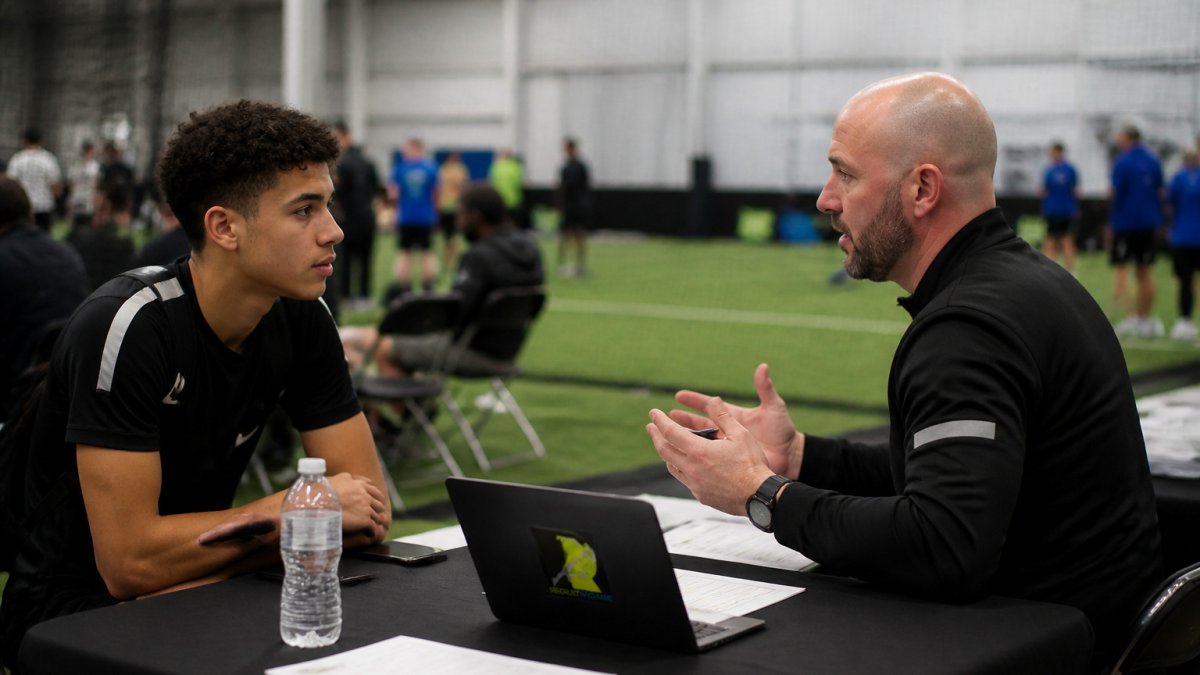
When you do connect with coaches, asking the right questions helps you understand their situation and commitment to the program. Start by asking how long they've been in their current role and whether they plan to stay at the school long term.
Ask about the program's recent history with coaching transitions. If a program has cycled through three coaches in five years, that's worth understanding before you commit. Find out what caused previous coaching changes and whether the current leadership structure is stable.
Another useful question focuses on roster management and graduation timelines. Ask coaches about upcoming roster changes and whether your position will have opportunities in the coming years. This connects directly to coaching stability because a coach who knows their roster is graduating out will be thinking about recruiting needs for the next cycle.
Learn more with our guide to questions to ask college coaches during recruiting visits. This resource provides a comprehensive list of questions that go beyond coaching stability and help you evaluate the overall fit of a program.
What to Do When Your Recruiting Coach Leaves
If a coach you've been working with leaves their program, your first instinct might be to panic. Don't. This happens to almost every serious recruit at some point, and there are clear steps you can take to protect your recruiting interests. First, understand what the coaching change means for your status.
Reach out to the program through the new coaching staff to reintroduce yourself. Don't assume they know who you are just because the previous coach was interested. Send a professional email to the new coach introducing yourself, highlighting your athletic and academic profile, and expressing your continued interest in the program. Keep it brief and respectful; you're not demanding anything, just making sure you're on the new coach's radar.
Stay flexible with your recruiting timeline. A coaching transition sometimes means the program's recruiting focus shifts temporarily. Be patient while the new staff gets settled and figures out their recruiting strategy. In the meantime, continue developing your skills and maintaining relationships with other programs. This is exactly why having multiple options in your recruiting pipeline matters so much.
Creating a College Recruiting Email Template That Addresses Coaching Changes
When coaching transitions happen, your email communication becomes even more important. You need a template that acknowledges the change professionally while reaffirming your interest in the program. Start with a clear subject line that gets attention but doesn't sound desperate. Something like "Reintroduction to [Program Name] Coaching Staff" works better than a generic subject line.
In the body of your email, introduce yourself briefly and mention that you're aware of the recent coaching change. Express your understanding that the new coach is settling in and will be evaluating the recruiting class. Highlight your athletic accomplishments, academic standing, and why you're interested in their specific program.
Include a link to your recruiting profile or film if you have one, but don't overwhelm the email with attachments. Make it easy for the coach to learn more about you without having to dig through clutter. End with a professional closing that leaves the door open for future communication.
Get detailed guidance on what to include in a recruiting email. This resource walks you through the entire process of crafting recruiting emails that actually get responses from coaches.
Setting Up Alerts to Track Coaching Staff Changes
The most practical way to stay on top of coaching staff changes is to set up automated alerts. You can use Google Alerts to monitor news about your target coaches and programs.
Create a simple spreadsheet to track the coaching staff at your target schools. List each coach's name, position, and the date they started in their current role. Update this document quarterly or whenever you hear about changes.
Use social media to follow college athletic departments, coaches, and local sports reporters who cover your target schools. Twitter and Instagram often break coaching news before it appears in formal press releases.
RecruitMyGame's platform helps with much of this tracking automatically, monitoring coaching staff changes across your target programs. This approach lets you focus on what matters: improving as a player and maintaining genuine relationships with coaches who are genuinely interested in you.
Coaching changes are part of the college recruiting landscape, and they're something every serious recruit needs to navigate at some point. By tracking college coach turnover proactively, asking the right questions, and staying flexible when transitions happen, you reduce the uncertainty in your recruiting journey.
Frequently Asked Questions
How can I find out if a college coach has left a program?
Check the college's official athletic website first, where coaching staff rosters are typically updated within days of a departure. Search the coach's name plus the program name on Google News to catch recent announcements. Follow the program's social media accounts and subscribe to athletic department newsletters. Use platforms like RecruitMyGame that track coaching staff changes, helping you stay informed. Calling the athletic department directly is also effective if you want immediate confirmation.
What should you do if your recruiting coach leaves?
First, don't panic, coaching changes happen frequently and don't automatically mean your recruiting interest disappears. Reach out to the new coaching staff within two weeks to reintroduce yourself and express your continued interest in the program. Include a brief note acknowledging the transition and explain why you're still a strong fit for their program. Update your recruiting profile and film if the new coach has different priorities. Stay professional and don't burn bridges with the departing coach, as they may recommend you to the new staff or move to another program you're interested in.
How often should recruits check a college coaching staff?
Check your top 10 target programs at least once per month during the recruiting season to catch any staff changes early. During the off-season (roughly April through June), monthly checks are still valuable since some programs make changes during quieter periods. If you're actively communicating with a program, check weekly to stay updated on any transitions. Using automated alerts through recruiting platforms can help you stay informed when changes occur at programs you're tracking.
Can coaching turnover affect my recruiting chances?
Yes, coaching turnover can significantly impact your recruiting journey, both positively and negatively. A new coach might have different position needs or recruiting priorities than the previous staff, which could open or close doors depending on their vision for the program. Some coaches inherit previous recruiting commitments and honor them, while others may deprioritize certain recruits. The key is staying proactive, reach out quickly to new coaching staff, reaffirm your interest, and learn about their roster plans so you can adjust your strategy accordingly.