 blog
What Are the Red Flags to Look for in College Recruiting?
Last Updated: October 25, 2026
Quick Summary
Red flags to look for in college recruiting include coaches who pressure you to commit quickly, make promises they can't keep, communicate evasively about basic questions, or go silent after you commit. Watch for generic mass emails, inconsistent communication, and coaches who won't discuss realistic playing time timelines or scholarship guarantees. Pay attention to how coaches treat current athletes and support staff during campus visits, as this reveals the true program culture beyond the official presentation.
- Coaches who pressure quick commitments or claim other recruits are ahead of you are using manipulation tactics to force decisions before you're ready.
- Generic template emails sent to large groups indicate you're in early evaluation stages, not a serious recruiting target for that program.
- Research roster composition and graduation timelines to understand whether your position actually has playing time opportunities available.
- Ask direct questions about scholarship structure, playing time expectations, and athlete wellbeing support to identify coaches avoiding transparency.
- Talk with current athletes and recent graduates about your concerns to verify whether red flags reflect widespread program issues or isolated incidents.
Table of Contents
- Understanding Red Flags in College Recruiting
- Red Flags in Coach Behavior and Communication
- Signs a College Coach Is Not Interested
- How to Research a College Athletic Program
- Questions to Ask College Coaches Before Committing
- College Coach Email Response Examples and What They Mean
- Red Flags During Campus Visits and Parent Interactions
- Moving Forward: Verifying Your Concerns Before Walking Away
- Frequently Asked Questions
Understanding Red Flags in College Recruiting
The college recruiting process can feel overwhelming for student-athletes and their families. You're trying to find the right fit while coaches are evaluating hundreds of potential recruits, and sometimes the signals get mixed or confusing. Understanding what red flags to look for in college recruiting helps you make informed decisions about which programs deserve your time and commitment. The challenge is knowing which concerns are genuine deal-breakers and which are just normal parts of the recruiting journey.
Red flags in college recruiting can appear in coach behavior, communication patterns, campus visit experiences, and how programs handle basic information about scholarships and playing time expectations. Some warning signs are obvious, while others require deeper investigation to understand what they really mean. The key is developing a systematic way to evaluate programs so you're not making decisions based on emotion or pressure in the moment.
Red Flags in Coach Behavior and Communication
A college coach's behavior and communication style reveal a lot about the program culture and how they'll treat you once you commit.
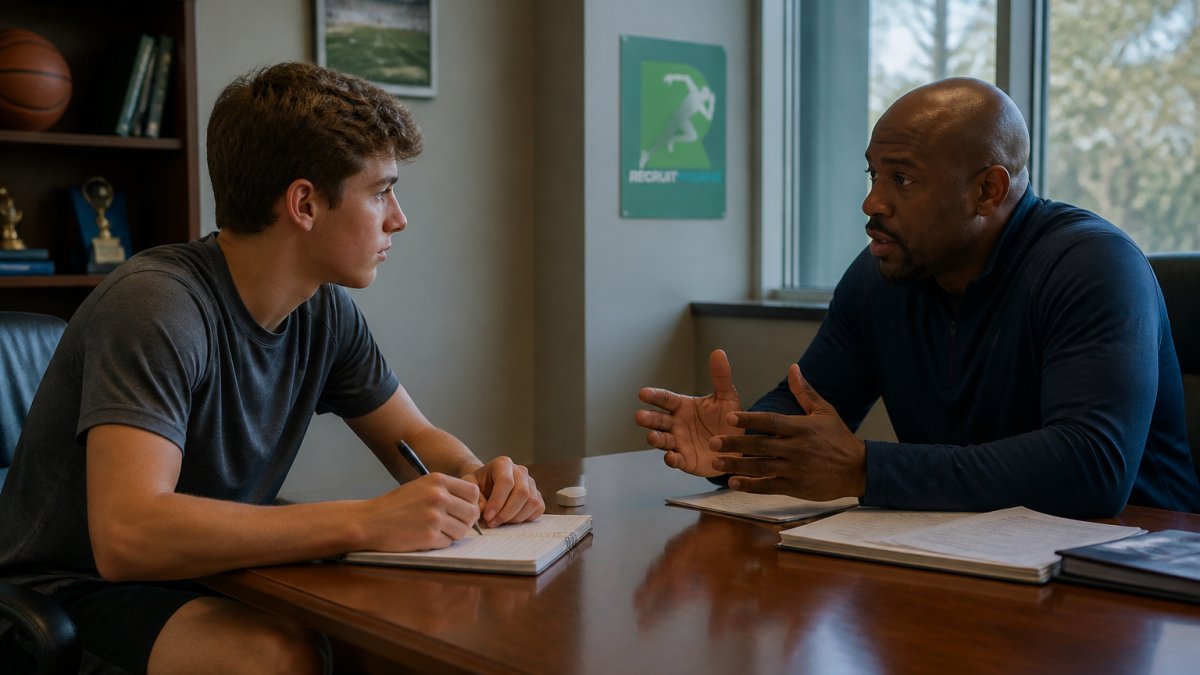
Watch for coaches who pressure you to commit quickly without giving you time to evaluate other options. Legitimate coaches understand that student-athletes need to compare programs and make thoughtful decisions.
Another red flag is when coaches make commitments they can't keep or change the terms of what they originally promised. This might involve promises about playing time, scholarship amounts, or your role in the program.
Pay attention to how coaches communicate about other programs and their own team members.
Watch for these warning signs in how coaches interact with you and communicate about the program. Learn how to prepare for direct coach conversations so you can spot inconsistencies or concerning behavior when they reach out.
| Red Flag | What It Means | Why It Matters |
|---|---|---|
| Pressure to commit quickly | Coach creates artificial urgency or suggests other recruits are ahead of you | Legitimate coaches understand you need time to evaluate options |
| Promises about playing time | Coach guarantees specific playing time or role in program | Coaches cannot actually guarantee playing time once you're on campus |
| Evasive about basic questions | Coach dismisses your concerns or avoids direct answers | Indicates unwillingness to be transparent about program realities |
| Changes original terms | Coach alters promises about scholarships, playing time, or your role | Shows lack of integrity and sets poor precedent for future interactions |
| Negative talk about others | Coach regularly criticizes competitors or their own assistant coaches | Suggests deeper program culture problems and poor leadership |
| Silent after commitment | Coach only reaches out during recruiting, goes quiet after you commit | Indicates they weren't genuinely invested in your development |
| Generic mass communications | Coach sends template emails that could apply to any recruit | You're in early evaluation stages, not a serious target |
Signs a College Coach Is Not Interested
Sometimes the hardest part of recruiting is recognizing when a coach simply isn't interested, versus when they're still evaluating you. Learning to read these signals saves you from wasting time pursuing programs that have already moved in a different direction.
A coach who is genuinely interested will maintain consistent communication and follow your progress throughout the season. If communication drops off significantly or becomes sporadic and vague, they've likely shifted their focus to other recruits. Generic emails sent to large groups of athletes are different from personalized messages that reference your specific performances or improvements.
When coaches stop asking questions about your academics, injury history, or off-field character, they're typically no longer actively recruiting you. Interested coaches dig deeper because they're considering whether you fit their program long-term.
Pay attention to whether a coach is attending your games or competitions. Coaches who are serious about a recruit make efforts to see them play in person or through film. If a coach claims interest but never shows up to watch you compete, their interest level isn't as high as they're suggesting.
How to Research a College Athletic Program
Before you can spot red flags, you need to do your homework on the program itself. This involves looking beyond the highlight videos and marketing materials that every program puts out.
Start by researching how long coaches have been at the program and whether there's been recent turnover in the coaching staff. High turnover can indicate instability or program problems. You can find this information through the program's official website and by asking current athletes directly about recent coaching changes. .
Look at the program's roster and graduation timeline. If the roster is full at your position and the team isn't graduating anyone who plays your spot, your path to playing time is unclear.
Research the academic support available to athletes. Ask about graduation rates, tutoring services, and how the program balances academics with athletic demands. Programs that prioritize academic success typically have better overall athlete wellbeing and lower rates of coach-related complaints. to understand what the day-to-day experience is really like.
Questions to Ask College Coaches Before Committing
Direct conversations with coaches give you the chance to gather information and observe how they respond to tough questions. The questions you ask reveal what you value and can help you identify whether a coach is being honest and transparent.
Ask about the program's scholarship structure and how it's distributed among athletes. Understand whether scholarships are guaranteed for all four years or if they can be reduced or eliminated.
Inquire about playing time expectations and the coach's philosophy on developing young athletes. Ask specifically about the timeline for contributing to the team and what you'd need to do to earn more playing time.
Ask about the coaching staff's philosophy on player development, injury recovery, and mental health support. Programs that take athlete wellbeing seriously have clear systems in place for these areas.
Ask about NIL opportunities and how the program supports athletes in building their personal brands. With Name, Image, and Likeness rights now a significant part of college athletics, understanding what support exists matters for your financial planning and career development.
College Coach Email Response Examples and What They Mean
Email communication during recruiting can be confusing because coaches often use generic templates and professional language that doesn't always reveal their true level of interest. Learning to read between the lines helps you understand where you actually stand.
A personalized email that references your specific performance, mentions watching your recent game, or asks detailed questions about your background shows genuine interest. This type of communication takes time and effort, which coaches only invest in recruits they're seriously considering.
Generic emails that use your name but could apply to any recruit are different. These are often mass communications sent to large groups of athletes to build the recruiting pipeline.
If a coach's emails become shorter and less frequent over time, interest is declining.
Watch for emails that make promises about scholarships, playing time, or specific outcomes. Coaches should discuss possibilities and opportunities, but guarantees are a red flag because they can't actually promise these things once you're on campus.
Red Flags During Campus Visits and Parent Interactions
Campus visits give you a chance to see the program in action and observe how coaches and staff interact with current athletes.
Notice how current athletes interact with coaches and whether they seem genuinely happy or just going through the motions. Ask current athletes about their experience with the coaching staff in informal settings, not just during official team meetings.
Pay attention to the physical environment and facilities. Programs that invest in athlete development typically have well-maintained facilities and modern equipment. If facilities seem neglected or outdated, it might indicate that athlete development isn't a priority.
During your visit, observe how the coaching staff treats support staff, athletes who aren't starters, and each other. The way people behave when they think no one important is watching reveals program culture more honestly than the official presentation.
If parents are part of the recruiting process, watch for coaches who seem uncomfortable with parent involvement or who try to isolate athletes from their families. Healthy programs encourage family involvement and maintain open communication with parents.
Moving Forward: Verifying Your Concerns Before Walking Away
When you identify what looks like a red flag, the next step is verification before you make a final decision about a program.
Talk directly with current athletes and recent graduates about your specific concerns. Ask them whether they experienced similar issues and how they handled them.
Ask your parents, high school coach, or trusted mentors for their perspective on the red flags you've noticed.
If a program has multiple red flags across different areas, that's worth taking seriously. One concern might be manageable, but a pattern of warning signs suggests deeper program issues.
Remember that the goal of recruiting is finding a program where you'll thrive athletically, academically, and personally. If too many red flags appear during your evaluation, there are other programs that will be better fits.
Finding the right college program requires more than just athletic talent. You need to evaluate coaching staff stability, communication patterns, and program culture to make sure you're committing to an environment where you'll succeed.
Frequently Asked Questions
How can you tell if a college coach is not interested in you?
Several patterns suggest a coach has lost interest: delayed or form-letter email responses, vague language about your position or fit, canceling scheduled calls without rescheduling, or generic communication that doesn't reference your film or performance. Coaches actively interested in you will personalize their messages, ask specific questions about your athletic performance and academics, and maintain consistent contact. If communication suddenly drops after an initial conversation or campus visit, that's also a warning sign worth investigating before you assume the worst.
What should you ask a college coach before committing to their program?
Ask about roster depth at your position, graduation timelines for players ahead of you, coaching staff tenure and stability, what the program expects from you academically and athletically, how they structure playing time opportunities, and their communication style during the season. You should also inquire about scholarship details, academic support services, and how the coaching staff handles athlete development and injuries. These questions to ask college coaches help you understand whether the program's expectations align with your goals and whether the coaching staff is likely to stay long-term.
What do different college coach email responses actually mean?
A personalized email referencing your film, stats, and position indicates genuine interest. Generic emails with form-letter language suggest you're in a broader outreach pool. Short responses like 'thanks for reaching out' without follow-up questions often mean they're not actively pursuing you. College coach email response examples that include specific next steps, invitations to camps or visits, or requests for more film show real interest. If a coach stops responding to your emails entirely after initial contact, they've likely moved on to other recruits.
How do you verify a red flag before rejecting a program?
Before walking away, reach out directly to ask clarifying questions rather than assuming the worst. For example, if communication has slowed, send a brief email asking about their recruiting timeline and expressing your continued interest. Check RecruitMyGame's verified coach review system to see what other athletes and parents have experienced with that program. Talk to current or recent players on the team about their experience with the coaching staff and program culture. Sometimes delays happen due to recruiting calendar rules or coaching staff transitions, so verification prevents you from dismissing a legitimate opportunity based on incomplete information.