 blog
Best College Recruiting Software 2026
Table of Contents
- What Makes College Recruiting Software Actually Work
- Understanding College Recruiting Platforms and How They Help
- How to Get Recruited for College Sports Using the Right Tools
- Building Your College Recruiting Profile That Coaches Actually See
- NCSA vs. SportsRecruits: Understanding Your Options
- Key Features to Look For in 2026 Recruiting Software
- Choosing the Right Platform for Your Recruiting Journey
- Frequently Asked Questions
Last Updated: October 18, 2026
What Makes College Recruiting Software Actually Work
The difference between a student-athlete who gets recruited and one who doesn't often comes down to visibility, because you can be talented with great grades and still go unnoticed if college coaches don't know you exist. That's where the right college recruiting software makes all the difference, since the best platforms don't just list colleges but actively connect you with programs that have a real need for your position, track which coaches are actually watching your film, and give you the tools to market yourself professionally without spending thousands on recruiting services.
The best college recruiting software flips this around by using data about roster composition, graduation timelines, and coaching staff changes to identify programs where you actually have a shot, and when you focus on real opportunities instead of chasing every school in the country, your recruiting campaign becomes dramatically more effective.
Understanding College Recruiting Platforms and How They Help
A college recruiting platform is a digital tool that helps student-athletes build visibility with college coaches while helping coaches find athletes who fit their specific needs, combining athlete profiles, film hosting, communication tracking, and data analysis to simplify what used to require expensive recruiting services or countless hours of cold emails.
The core value proposition is straightforward: traditional recruiting is inefficient, with a high school athlete contacting 50 programs hoping for interest while coaches sift through hundreds of profiles that don't match their roster requirements. A good recruiting platform creates a middle ground where coaches can filter by position, athletic level, and academic fit while athletes target programs where they're more likely to get genuine interest.
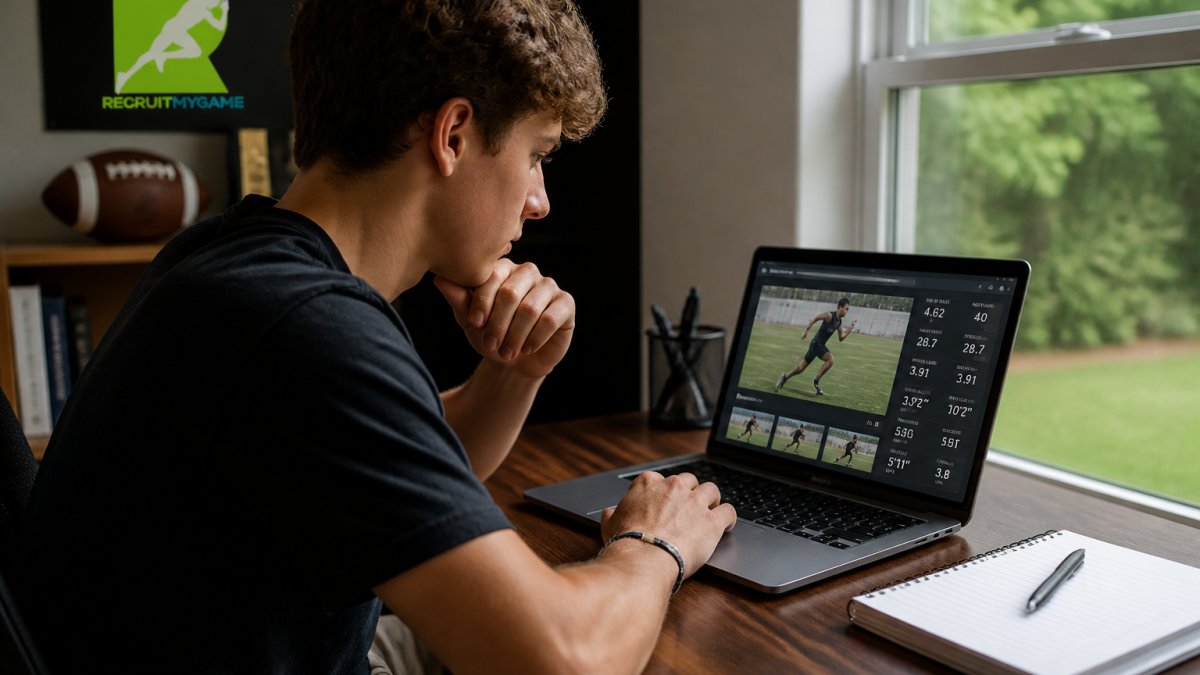
Most recruiting platforms include a profile where you upload film, highlight videos, academic credentials, and athletic statistics, plus analytics showing how many coaches viewed your profile and how long they spent watching your film. Communication tools let you reach out to coaches directly and track responses, and some platforms go further with insights into coaching staff changes, roster needs by position, and program fit analysis based on your athletic level and academic profile.
The recruiting timeline typically spans from sophomore year through senior year, with intensity ramping up significantly during junior year, and starting early gives you time to build a strong profile, get quality film, and establish relationships before the main recruiting push. Platforms help you stay organized throughout this process so you're contacting the right programs at the right time with the right message.
How to Get Recruited for College Sports Using the Right Tools
Getting recruited requires a strategic approach that goes beyond hoping coaches notice you at tournaments, combining consistent film quality, targeted outreach, and relationship building with coaches at programs that actually need your position.
Start by building a recruiting profile that coaches will actually take seriously, which means high-quality film showing you in game situations rather than just highlight reels of your best plays, since coaches want to see how you perform against competitive opponents, respond to pressure, and fit their system.
Next, research programs systematically instead of contacting every school in Division I or Division II, identifying programs where your athletic level and academic profile align and where your position has actual roster needs. This is where data becomes your biggest advantage, since platforms that analyze roster composition and graduation timelines help you find programs likely recruiting heavily at your position in the coming years.
Timing matters significantly, since early contact can build relationships but most serious recruiting conversations happen during junior year and into senior year. The best platforms help you track when to increase contact frequency and which coaches have shown genuine interest versus those who haven't engaged, preventing you from wasting energy on programs that clearly aren't interested while doubling down on schools actively evaluating you.
Communication with coaches should be professional and personalized, because generic mass emails get ignored when coaches receive hundreds every week, and a message that references their specific program, shows you understand their roster needs, and explains why you're a fit stands out. The right recruiting software provides templates and communication tracking so you can manage outreach at scale without losing the personal touch.
Building Your College Recruiting Profile That Coaches Actually See
Your recruiting profile is your first impression with college coaches, so it needs to be professional and complete, and while many athletes treat their profile like a social media account, coaches evaluate it like a job application.
Start with a professional headshot where you're clearly visible, ideally wearing your team apparel, and avoid casual selfies or party photos since coaches want to see what you look like in a professional context.
Your film is the centerpiece of your profile, so upload game footage showing you competing at your highest level rather than just your best individual plays, because coaches want to see how you perform over the course of a game, move off the ball, and respond when things don't go perfectly.
Academic credentials matter more than many athletes realize. Include your GPA, test scores, and course rigor. Coaches are recruiting students first and athletes second. A strong academic profile opens doors at more selective programs and demonstrates you're serious about your education.
The best recruiting profiles are regularly updated, so add new film as you get it, update statistics after each season, and refresh with current information, because a stale profile untouched for six months signals to coaches that you're not serious about recruiting.
NCSA vs. SportsRecruits: Understanding Your Options
When evaluating college recruiting platforms, two names that often come up are NCSA and SportsRecruits. Understanding how different platforms approach recruiting helps you choose the one that fits your situation.
Both NCSA and SportsRecruits have been in the recruiting space for years with significant reach among college coaches, operating on similar models where athletes create profiles, upload film, and coaches search for and contact athletes through the platform, and both claim to connect thousands of athletes with college programs annually.
The key differences typically come down to user experience, specific features, and how effectively each platform helps you target programs where you actually have a realistic shot. Some platforms focus on volume, getting your profile in front of as many coaches as possible.
One critical consideration is whether a platform provides data about roster needs and coaching staff changes, which helps you avoid wasting time on programs that don't need your position or where the coaching staff just turned over and may have different recruiting priorities, and not all recruiting platforms provide this level of insight.
Another important factor is how the platform handles coach communication, since some make it easy to track which coaches viewed your profile and engaged with your film while others provide less visibility, and seeing exactly which coaches are watching your film and for how long gives you valuable information about where genuine interest exists.
Cost is also a consideration, since platforms have different pricing structures, free tier options, and subscription levels, with some offering free basic profiles and paid upgrades while others require a paid subscription for full functionality.
Key Features to Look For in 2026 Recruiting Software
As you evaluate college recruiting software options, certain features have become essential in today's landscape, and the best platforms combine athlete-facing tools that help you market yourself with data-driven insights that help you target the right programs.
Film hosting and analytics should be a priority. You need a platform where coaches can easily watch your film and where you can see exactly how many times coaches have watched it and how long they spent viewing.
Roster analysis and program matching capabilities separate good platforms from great ones. The best recruiting software analyzes which programs have roster needs at your position and identifies realistic recruiting targets based on your athletic level and academic profile.
Coach contact information and outreach tools should be comprehensive and up-to-date. You need access to current coach email addresses and phone numbers, along with the ability to track which coaches you've contacted and when.
Verified coach reviews provide valuable context about programs you're considering.
Recruiting timeline and milestone tracking helps you stay organized throughout a multi-year recruiting process. The best platforms provide guidance on when to increase contact with coaches, when to attend showcases, and how to structure your recruiting calendar.
Analytics and performance tracking give you visibility into your recruiting progress. How many coaches are viewing your profile? Which programs are most interested? How does your engagement compare to other athletes at your position?
Mobile accessibility is increasingly important since recruiting conversations often happen via text and mobile apps. A platform that works seamlessly on your phone makes it easier to stay engaged with coaches and manage your recruiting profile on the go.
Choosing the Right Platform for Your Recruiting Journey
Your recruiting platform should align with your athletic level, the sports you play, and what you're trying to accomplish. A platform that works great for a Division I prospect might not be ideal for someone targeting Division III or junior college.
Consider your current athletic profile and be honest about your realistic recruiting targets. If you're a three-star athlete at a smaller high school, you're not going to generate interest from top-tier Division I programs regardless of which platform you use.
Think about the specific features that matter most to your situation. If you're playing a less common sport or a less common position, you need a platform that supports your sport well and has coaches from programs that recruit your position.
Budget matters, but don't let it be the only factor. A free platform that doesn't provide the tools you need costs you time and recruiting opportunities. A paid platform that genuinely helps you target the right programs and track recruiting progress is worth the investment.
Talk to other athletes who've used specific platforms. Ask about their experience with coach responsiveness, whether the program matching actually worked, and whether they felt the platform delivered value. Real user feedback often reveals things that marketing materials don't mention.
The recruiting landscape continues to evolve, and the best platforms adapt to changes in how coaches recruit and how athletes can market themselves. A platform that was modern five years ago might be falling behind today.
Choosing the right college recruiting software puts you in control of your athletic future. Rather than waiting passively for coaches to discover you, you're actively marketing yourself to programs where you have a genuine shot.
Frequently Asked Questions
What should athletes look for in college recruiting software?
The best college recruiting software combines AI-powered college matching, verified coach information, and comprehensive analytics. Look for platforms that analyze roster needs and graduation timelines to identify programs that genuinely need your position, offer verified coach reviews from real sources, provide detailed recruiting analytics like visit tracking and video engagement, and include marketing tools to help you stand out. A free trial lets you test whether the platform's approach matches your recruiting goals before committing.
Can recruiting software really help athletes find programs that need their position?
Yes, when built on real roster data. The most effective recruiting software analyzes current team rosters, graduation timelines, and coaching staff stability to identify which programs actually have roster needs at your position. This prevents wasting time writing to teams that are already full or unlikely to recruit at your spot. However, not all platforms use the same data sources or update frequency, so verify that the software you choose uses current, verified roster information rather than generic lists.
How do college recruiting platforms differ from traditional recruiting services?
College recruiting platforms put control directly in your hands through self-service tools, analytics, and direct coach contact information, while traditional recruiting services often charge flat fees for limited outreach. Modern platforms offer AI-powered college matching, verified coach reviews, and comprehensive recruiting analytics that help you make informed decisions about which programs fit your profile. Many athletes find that data-driven platforms are more cost-effective than traditional services, especially when combined with your own recruiting effort and film marketing.
Are coach reviews on recruiting platforms actually verified?
Verified coach reviews should come from real sources like current or former student-athletes, parents, and teachers with documented connections to programs. The most trustworthy platforms implement verification systems that confirm reviewer identity before publishing reviews, preventing fake or malicious feedback. When evaluating a recruiting platform, check whether it clearly explains its review verification process and allows you to see reviewer credentials, which helps you distinguish between genuine insights and unverified opinions.