 how-to
How to Prepare for a College Coach Phone Call
Table of Contents
- Why Your First College Coach Phone Call Matters
- Create a Pre-Call Checklist to Get Ready
- Questions to Ask College Coaches on a Call
- College Coach Phone Call Script and Sample Conversation
- Understand What Questions College Coaches Ask Recruits
- Master Phone Etiquette and Professional Communication
- How to Follow Up With a College Coach After a Call
- Frequently Asked Questions
Last Updated: October 14, 2026
Why Your First College Coach Phone Call Matters
A college coach's phone call can feel like the moment everything changes. You've been grinding through film sessions, attending camps, and building your highlight video. Now a coach is actually reaching out, and suddenly the stakes feel real. This is your chance to show them who you are beyond what they see on film, and honestly, most student-athletes aren't ready for it.
The college coach phone call isn't just a casual conversation. It's an evaluation tool for the coach and a critical opportunity for you to demonstrate professionalism, genuine interest in their program, and a clear understanding of what you're looking for in a college home.
Think of it this way. A coach is investing their time in you. They've already filtered through thousands of athletes to get your contact information. How you respond to that call determines whether they continue investing in you or move on to the next prospect. The difference between a forgettable call and one that sticks with a coach often comes down to preparation, not natural charisma.
Create a Pre-Call Checklist to Get Ready
The biggest mistake student-athletes make is picking up the phone without a plan. You wouldn't go into a game without warming up or reviewing the opponent's tendencies. The same principle applies here. A pre-call checklist ensures you're mentally sharp, physically comfortable, and ready to have a conversation that actually matters.
Start by checking your environment at least 24 hours before the scheduled call. You need a quiet room where you won't be interrupted by siblings, pets, or background noise. Close the door, silence your phone notifications, and ask your family to give you privacy during the call.
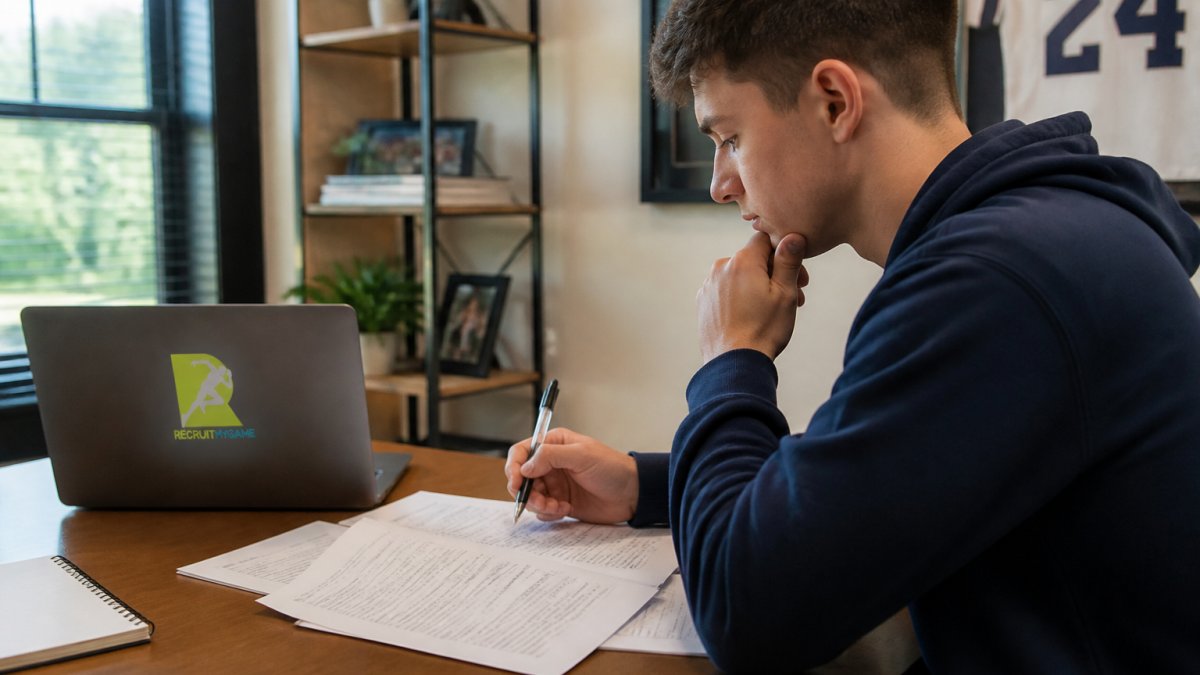
Next, gather your recruiting materials in one place. Have your resume or athletic profile printed or ready on your computer screen. Know your GPA, standardized test scores, and any academic honors you've earned. Have your game schedule available so you can discuss when the coach might watch you play. This preparation prevents awkward silences and shows the coach you're organized and thoughtful about your recruiting journey.
Research the program and coaching staff
You absolutely need to know something genuine about the program before the call starts. Pull up the roster and look at your position group. How many players are there? What years are they? This information tells you whether the program actually has a need for your position or if they're already well-stocked. Understanding roster composition also helps you ask intelligent questions during the call.
Research the coaching staff's background. How long has the head coach been at the program? Have any assistant coaches recently been hired or promoted? What's their coaching philosophy based on their previous experience? If you can find interviews, articles, or game film that shows how the program plays, watch some of it.
Check the program's website for recent news, recruiting information, and any public statements from the coaching staff about their recruiting priorities. If the coach has mentioned in interviews or recruiting materials that they're looking for players with specific qualities, note those and think about how you match up. This research takes maybe 30 minutes but completely changes the quality of your conversation.
Organize your recruiting materials
Have everything you might need within arm's reach during the call. This includes your resume, transcript or GPA information, a list of your athletic accomplishments and statistics, and information about any honors or awards you've received. If you've been invited to any showcases, camps, or tournaments where the coach might see you play, have those dates ready to share.
Create a simple one-page document that lists your key information: your position, height, weight, athletic achievements, academic standing, and any notable accomplishments. You don't need to read from this during the call, but having it visible helps you answer questions confidently and accurately without fumbling for details. Some coaches will ask for specific information about your athletic background, and this document ensures you're giving them accurate information rather than approximating.
Prepare your physical space
The setting matters more than you might think. Find a room where you can close the door and eliminate outside noise. Your bedroom works if it's quiet enough. A corner of the library, a study room at your school, or a quiet area of your home all work well. The key is reducing distractions and creating an environment where you can focus completely on the conversation.
Sit at a table or desk rather than lying on your bed or sitting on the couch. Your posture affects your tone of voice and your mental state. When you're sitting upright at a table, you sound more alert and professional.
Test your phone's reception before the call. If you're on a cell phone, make sure you have good signal. If you're using a landline or video call, test the connection beforehand. The last thing you want is the call dropping or audio cutting out repeatedly. Have a backup plan if your primary phone isn't working well.
Questions to Ask College Coaches on a Call
Asking thoughtful questions during a college coach phone call demonstrates that you've done your homework and that you're genuinely interested in finding the right fit, not just any college program.
Start with questions about athletic fit. Ask the coach directly where your position stands on the depth chart and what role they see you playing as a freshman. This is crucial information.
Move into questions about the coaching staff and program stability. Ask how long the head coach has been at the program and what their vision is for the future.
Ask about the program's culture and what the coaching staff values in their players beyond athletic ability. Do they prioritize community service? Do they emphasize mental toughness? Are they building a family-oriented program or a highly competitive one?
Don't be afraid to ask about scholarship funding and financial aid packages. Many coaches expect this question, and it's essential information for your family's decision-making. Ask whether the scholarship offer would be full ride, partial, or a combination of athletic and academic aid.
College Coach Phone Call Script and Sample Conversation
Having a loose script or mental framework for the call helps you stay organized and ensures you hit the key points you want to cover.
The call typically opens with the coach introducing themselves and their program, though they might jump right into questions depending on their style. Your opening response should be brief, confident, and genuine.
When the coach starts asking about you, answer directly and concisely. If they ask about your athletic background, don't ramble through your entire recruiting journey.
When the coach asks why you're interested in their program, reference something specific that you researched.
Throughout the call, listen actively. When the coach answers your question, don't just wait for your turn to talk. Show genuine interest in what they're saying.
Near the end of the call, the coach will likely ask if you have any final questions or if there's anything else they should know about you.
Understand What Questions College Coaches Ask Recruits
Coaches ask questions strategically to evaluate your character, maturity, and fit for their program. Understanding the types of questions they typically ask helps you prepare thoughtful, honest answers that showcase who you really are.
Coaches frequently ask about your athletic background and development. They want to know where you started, how you've improved, and what drives you to keep getting better.
They'll ask why you're interested in their specific program. This is where your research pays off. Generic answers like "I love your program" don't tell them anything.
Coaches ask about your academic standing and your approach to balancing school and athletics.
They often ask about your character and how your teammates would describe you. This reveals something about your maturity and self-awareness. Think about what your coaches, teammates, and teachers would say about you.
You might get asked about challenges you've overcome or moments when you failed at something. Coaches ask this to see how you respond to adversity.
Master Phone Etiquette and Professional Communication
How you communicate during the call matters just as much as what you say.
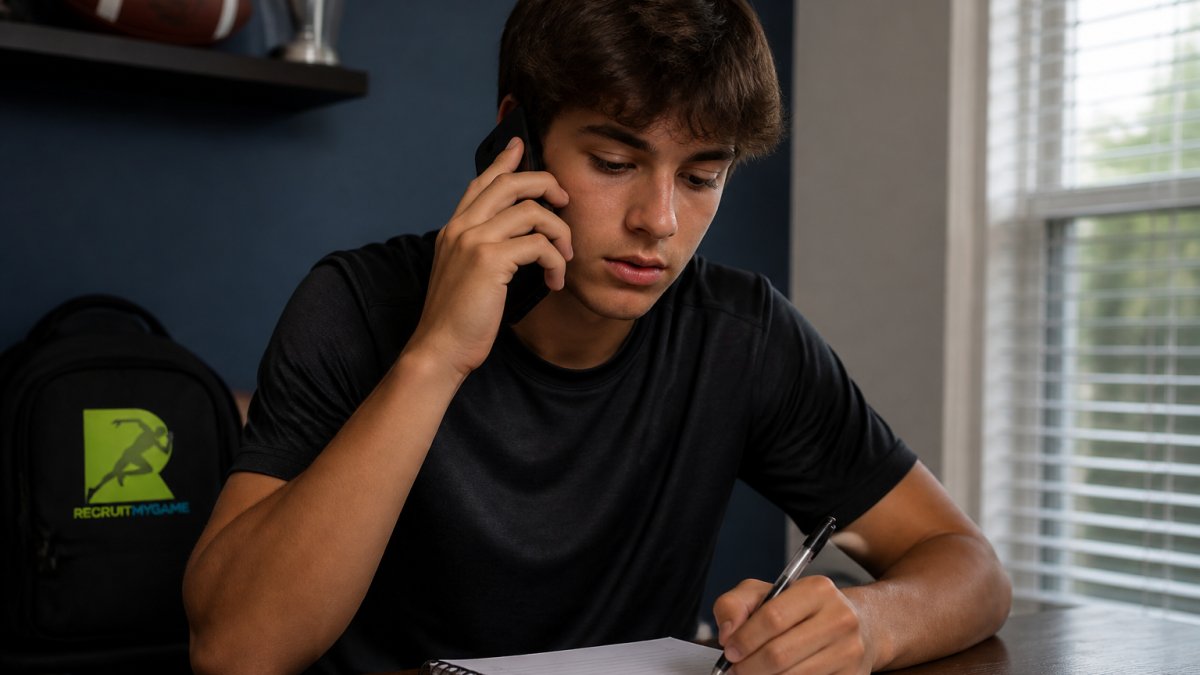
Answer the phone promptly when the coach calls. If you see an unknown number and it might be a coach, pick up.
Speak clearly and at a moderate pace. Coaches are making recruiting calls to dozens of athletes, and they need to hear you clearly. Don't mumble or speak too quickly.
Avoid filler words and phrases like "um," "like," and "you know." These make you sound unprepared and undermine your credibility.
Listen more than you talk. Many young athletes are so focused on impressing the coach that they don't actually listen to what the coach is saying. This is a missed opportunity.
If you don't understand something the coach said, ask them to clarify. "I want to make sure I understand what you're saying.
Never interrupt the coach. Wait for them to finish their thought before you respond.
At the end of the call, thank the coach for their time. "Thanks so much for taking the time to talk with me today.
How to Follow Up With a College Coach After a Call
What you do after the phone call ends is just as important as the call itself.
Send a follow-up email within 24 hours of the call. Keep it brief and professional.
In the email, reiterate your genuine interest in the program and your commitment to the recruiting process.
Keep the email concise. Coaches receive dozens of emails from recruits, and they don't have time to read long, rambling messages.
If the coach asked you to send film, transcripts, or other materials, send them promptly.
Stay engaged with the program on social media if they have recruiting social accounts.
If the coach doesn't follow up within a reasonable timeframe, it's appropriate to send a brief email checking in.
Remember that coaches are juggling dozens of recruits simultaneously. Your follow-up isn't about being annoying or demanding their attention.
The college coach phone call is your moment to show who you are beyond the film and the stats.
RecruitMyGame was built on the idea that student-athletes deserve tools that help them compete smarter, not just harder.
Frequently Asked Questions
What should I say when a college coach calls?
Answer professionally and calmly, even if the call catches you off guard. Start by confirming you're available to talk, introduce yourself by name, and thank the coach for calling. Keep your opening responses concise and genuine. If you're not ready to talk, it's perfectly acceptable to ask if you can call back at a specific time when you can give them your full attention. Coaches respect student-athletes who are organized and prepared, so having a quiet space and your materials nearby helps you respond thoughtfully to their questions about your athletic goals and academic interests.
What questions should I ask a college coach on the phone?
Ask about the coach's expectations for your position, the typical recruiting timeline, what the evaluation process looks like, and how often the team competes during the season. Inquire about academic support, the team culture, and opportunities for playing time as a freshman. You can also ask about scholarship availability, the coach's tenure and philosophy, and what they look for in student-athletes. These questions show you're serious about finding the right fit and help you gather real information about whether the program matches your goals and values.
What questions might a college coach ask me during recruiting?
Coaches typically ask about your athletic accomplishments, your GPA and test scores, your position and what makes you unique as a player, and your academic interests or intended major. They often ask why you're interested in their program specifically and what your goals are as a student-athlete. Be ready to discuss your training regimen, any injuries, your character and leadership qualities, and how you handle adversity. Having honest, thoughtful answers prepared helps you showcase your maturity and genuine interest in their program rather than sounding rehearsed.
How do I follow up after talking to a college coach?
Send a thank-you email within 24 hours that references specific details from your conversation and reiterates your interest in their program. Keep it brief and professional, mentioning any action items they discussed, like sending game film or your updated schedule. If they asked you to send materials, do so promptly. Continue to engage with the program by attending camps if invited, responding quickly to future communications, and periodically sharing updates about your athletic performance or academic achievements. Consistent, timely follow-up demonstrates your commitment and keeps you on the coach's radar.