 ultimate-guide
Are Recruiting Services Worth It? A Data-Driven Guide
Table of Contents
- What Recruiting Services Actually Do (And What They Don't)
- The Real Pros and Cons of Using a Recruiting Service
- DIY College Recruiting Tips: What You Can Do Yourself
- Building Your ROI Calculation Framework
- Best College Recruiting Platforms: How to Evaluate Your Options
- College Recruiting Timeline for High School Athletes
- Red Flags and Contractual Pitfalls to Watch
- The Bottom Line: When Recruiting Services Make Sense
- Frequently Asked Questions
Last Updated: September 18, 2026
What Recruiting Services Actually Do (And What They Don't)
When student-athletes and their families explore whether recruiting services worth the investment are right for them, they're usually hoping for a magic bullet that guarantees college offers, but the reality is more nuanced, recruiting services exist on a spectrum from personalized coaching to automated platforms that help you manage your own journey, and understanding what they actually deliver is the first step toward making an informed decision.
Most recruiting services fall into a few categories: some focus on building your profile and marketing yourself through video platforms, others provide guidance on timelines and what programs want, and a few use data and analytics to identify programs with genuine roster needs at your position rather than sending generic emails everywhere.
What recruiting services typically don't do is guarantee offers or scholarships, and no legitimate service can promise that even though some marketing materials might suggest otherwise, they also don't replace the fundamentals of athletic performance, academic record, and communication with coaches.
The Real Pros and Cons of Using a Recruiting Service
Before deciding whether recruiting services are worth it for your situation, it helps to understand the genuine advantages and real limitations you'll encounter.
The Genuine Advantages
A well-designed recruiting service saves you time by organizing information that would otherwise require hours of research, rather than manually searching through rosters, graduation timelines, and coaching staff changes across hundreds of programs, a platform can aggregate that data and help you identify schools where you actually fit the roster needs.
Recruiting services also provide structure to a confusing process with different timelines, contact rules, and division-level nuances, and many services offer tools like professional profiles, QR business cards, and video hosting that make it easier for coaches to find and evaluate you.
Another real benefit is access to verified information about coaches and programs, platforms that provide verified coach reviews and data on coaching staff stability help you avoid committing to a program where the head coach might leave shortly after you sign.
The Real Limitations
The most significant limitation is that recruiting services cannot create demand where it doesn't exist, if you're a solid player at a smaller school but not a top-tier recruit, no service will convince major programs to pursue you aggressively, since recruiting services work best for athletes who already have the athletic ability and academic profile that colleges want.
Another limitation is that many recruiting services are passive, they provide tools and information, but the actual work of reaching out to coaches, filming quality highlights, maintaining your academic standing, and improving your athletic performance still falls on you.
Cost is also a real consideration since comprehensive recruiting platforms charge fees that add up alongside camps, showcases, and travel.
Finally, there's the risk of information staleness since roster data, coaching staff information, and graduation timelines change frequently, so verify that any platform actually maintains current data.
DIY College Recruiting Tips: What You Can Do Yourself
The reality is that many aspects of the recruiting process don't require a paid service at all. Understanding what you can accomplish on your own helps you make a smarter decision about where to invest your money and effort.
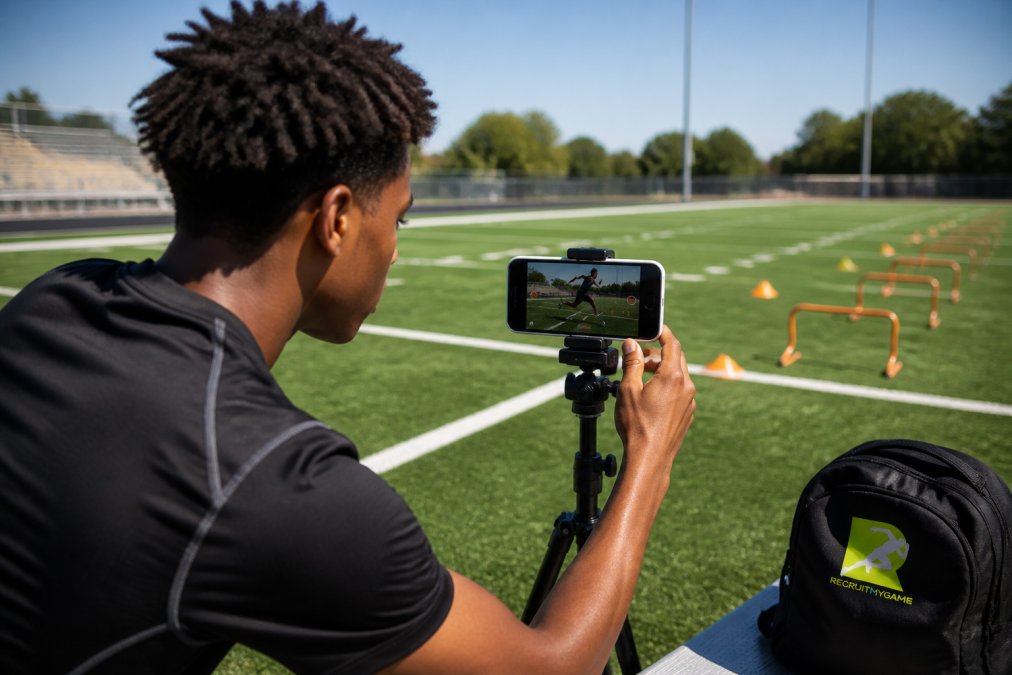
Start with your film, you don't need a professional videographer since a smartphone camera and basic editing software can work effectively, and the key is showing your best plays in context organized by position-specific skills so coaches can quickly assess what matters for their roster needs.
Building a basic recruiting profile is something you can do independently, create a simple one-page document listing your athletic stats, academic information, test scores, position, height, weight, and contact information with links to your film and social media accounts.
Research programs systematically by visiting college athletic websites, looking at current rosters, checking graduation timelines to understand which positions might have openings, and following programs on social media to see how coaches communicate with recruits.
Reach out to coaches directly through their official recruiting contact information, most programs have a recruiting coordinator or position-specific coach listed on their website, so send a straightforward email introducing yourself, mentioning your position and class year, and directing them to your film and profile.
Attend camps and showcases hosted by programs you're interested in, these events give coaches a chance to see you in person and evaluate you alongside other recruits while you experience the campus and meet coaches face-to-face.
Building Your ROI Calculation Framework
Determining whether recruiting services are worth it requires thinking about return on investment in a structured way, considering whether the service delivers value relative to what you're paying and the time you're investing.
Start by identifying what specific problem you're trying to solve, are you struggling to find programs that match your athletic profile, understand the recruiting timeline, or market yourself effectively to coaches, since clarity on your specific challenge helps you evaluate whether a particular service actually addresses it.
Next, calculate the actual cost of the service plus your time in using the platform, and compare that against what you're already spending on recruiting like camps, showcases, travel, and coaching.
Then assess what the service actually delivers, does it provide information you can't access elsewhere like verified coach reviews or detailed roster analysis, save you significant time compared to doing the research yourself, or include tools that genuinely help you market yourself more effectively.
Finally, establish a timeline for evaluation, don't expect results in two weeks since recruiting typically unfolds over several months or years, so give a service at least one full recruiting season to demonstrate value.
Best College Recruiting Platforms: How to Evaluate Your Options
When you're researching recruiting platforms, focus on a few key criteria that actually matter for your recruiting success. Many platforms exist, and they vary significantly in approach, features, and cost.
The most important question is whether the platform uses actual roster data and coaching staff information to identify programs or relies on generic lists, a platform that analyzes roster needs, graduation timelines, and position-specific gaps gives you a significant advantage because you're reaching out to programs that actually have a need at your position.
Look at the quality of coach reviews and program information, are the reviews verified or can anyone post anything, and is the coaching staff information current or outdated, since a platform that provides verified information helps you avoid making a commitment based on incomplete information. Ensuring the accuracy of your background details remains just as critical as securing a professional CV review to confirm that your presentation aligns with the standards expected by top programs.
Consider the marketing and profile tools the platform offers, does it provide a professional web presence where coaches can view your profile and film, and are these tools intuitive to use and actually enhance how coaches discover and evaluate you.
Evaluate the support and guidance provided, some platforms offer coaching on how to approach recruiting, communicate with coaches, and manage the timeline, while others are purely self-service, and depending on your comfort level and experience with recruiting, one approach might suit you better than the other.
College Recruiting Timeline for High School Athletes
Understanding the recruiting timeline helps you evaluate whether a recruiting service is actually necessary at your stage or whether you can handle the process yourself with basic guidance.
Red Flags and Contractual Pitfalls to Watch
Before signing up for any recruiting service, understand the contractual terms and watch out for red flags that suggest a service might not deliver what it promises.
The Bottom Line: When Recruiting Services Make Sense
After evaluating the landscape, recruiting services worth your time and money make sense in specific situations and not in others, depending on your particular circumstances, your athletic profile, and what specific challenge you're trying to solve.
Frequently Asked Questions
Can I get recruited without paying for a recruiting service?
Yes, absolutely. Many athletes get recruited through film, direct outreach to coaches, attending camps, and building a strong academic profile. The key is understanding that coaches are actively looking for talent, but they need to find you first. By taking control of your own recruiting strategy, optimizing your film, and reaching out strategically to programs that fit your academic and athletic profile, you can create genuine interest without a middleman. It requires more work on your part, but it's entirely possible, especially if you're intentional about identifying programs with roster needs in your position.
What are the red flags of predatory recruiting companies?
Watch for services that guarantee scholarships, require massive upfront fees with no refund policy, make vague promises about 'getting you recruited,' or pressure you to sign long-term contracts without explaining what you're paying for. Legitimate services show transparent pricing, explain exactly what coaches will see, provide verifiable success stories, and allow you to cancel if the service isn't delivering. Be skeptical of anyone claiming to have special relationships with coaches or exclusive access to recruiting information. Real recruiting is about your film, your academics, and genuine fit with programs, not about who has the best connections.
How do I know if a recruiting service is actually legitimate?
Legitimate recruiting services provide clear, specific details about what you'll receive, how coaches will access your profile, and what success looks like for athletes in your sport and position. Look for verified coach reviews, transparent data about how many athletes have been recruited, and evidence that the platform actually integrates with how coaches work. Ask for references from athletes who've used the service, check whether the platform has partnerships with college athletic departments, and verify that their analytics actually reflect real recruiting activity like coach visits and video plays. A real service should be able to show you exactly how your profile will be presented to coaches and what tools you're getting for your investment.
What's the difference between using a recruiting service and doing your own recruiting?
A recruiting service handles outreach, profile management, and sometimes direct communication with coaches on your behalf, which saves time and can provide professional presentation tools. DIY recruiting means you're building your own profile, filming and editing your own highlight reel, researching programs, and reaching out directly to coaches, giving you complete control but requiring significant effort. The real difference comes down to time, expertise, and whether you have the tools to present yourself professionally. Some athletes thrive with DIY recruiting, especially if they're organized and tech-savvy, while others benefit from a service that handles the logistics so they can focus on performance and academics.